
Introduction: Patterns Reveal Trader Psychology Chart patterns are repeating formations that show up on price charts due to collective trader behavior. They don’t predict the future — but they help you: Whether you’re trading EUR/USD or XAU/USD, mastering patterns gives …
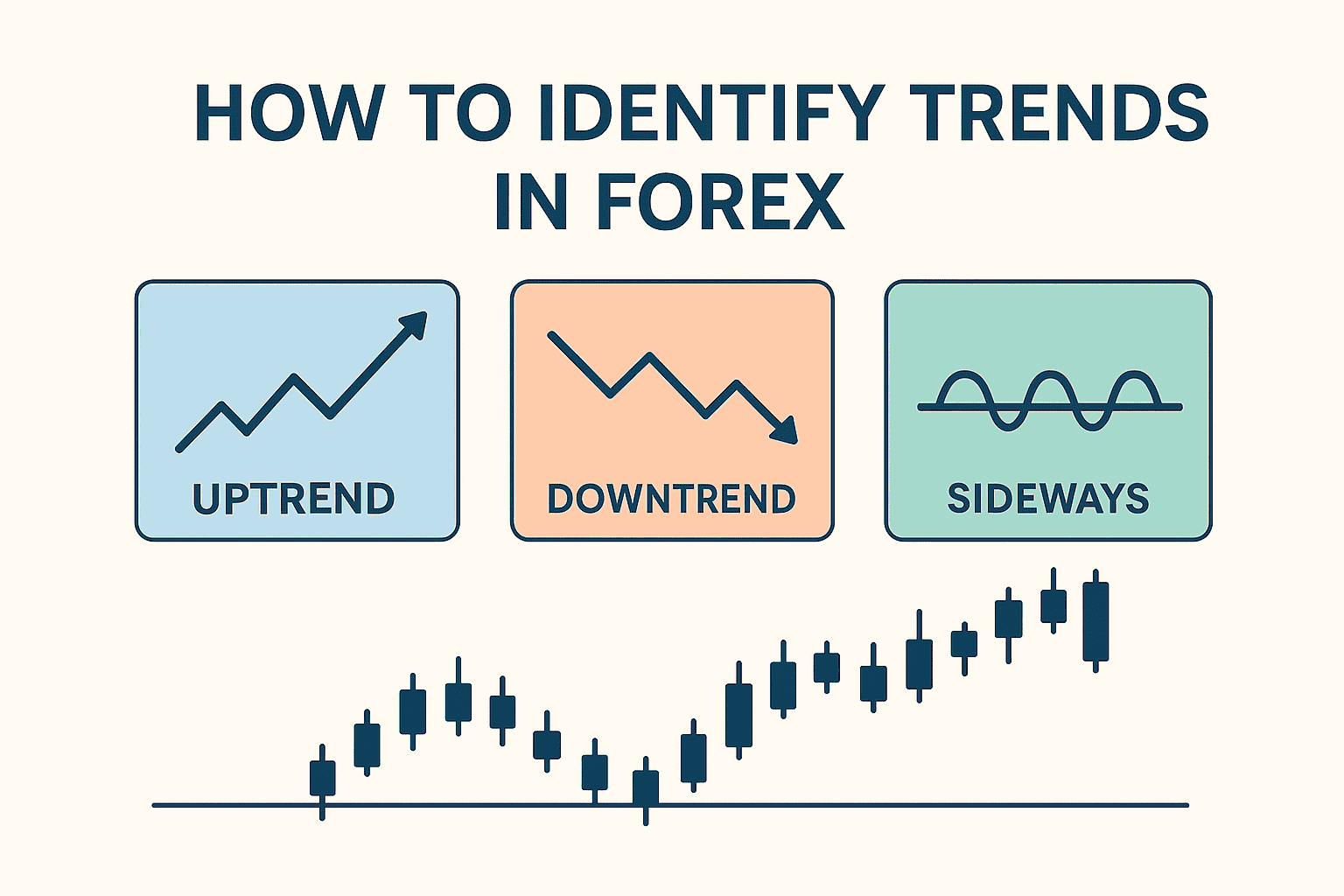
Introduction: Don’t Trade Without Knowing the Trend One of the biggest mistakes traders make is jumping into trades without knowing the trend. If you learn to identify trends correctly, you’ll instantly improve: This guide shows how to recognize trends — …
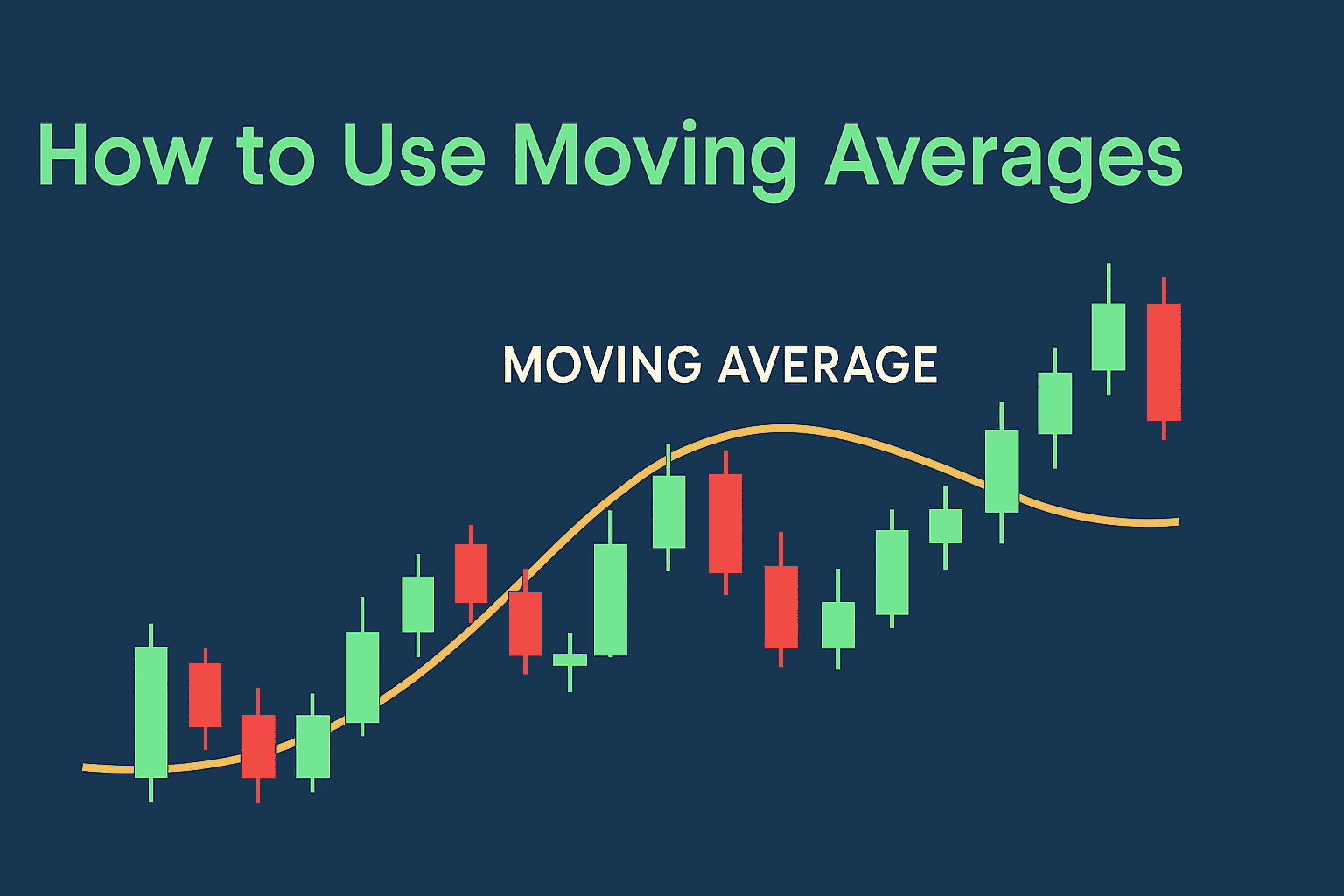
Introduction: Simplicity That Works Moving Averages (MAs) are among the most widely used tools in Forex trading — and for good reason. They help you: Let’s look at how to use them like a pro. 1. What Is a Moving …
Introduction: Tools, Not Magic Wands One of the first things new traders ask is:“What’s the best indicator for Forex?” Truth is — there’s no single holy grail. But there are indicators that consistently help traders when used with context and …
Introduction: The Language of Price Before indicators, algos, or complex strategies — traders learned to read one thing: price itself. And the most powerful way to visualize price?→ Candlestick charts. If you’re trading XAU/USD, EUR/USD, or any currency pair, candlesticks …
Introduction: The Invisible Walls of the Market Ever wonder why prices “bounce” at certain levels again and again? That’s not random — it’s called support and resistance. These two concepts are foundational in technical analysis. Whether you’re trading EUR/USD, GBP/JPY, …

Introduction: When Headlines Move the Market In Forex and gold trading, prices can shift not just on numbers, but on narratives. Geopolitical events — such as wars, elections, sanctions, or unexpected global tensions — often trigger sudden volatility, especially in …
Introduction: Forex Is a 24-Hour Market — But Timing Matters One of the most attractive features of Forex trading is that it’s open 24 hours a day, 5 days a week. But the market isn’t equally active the whole time. …
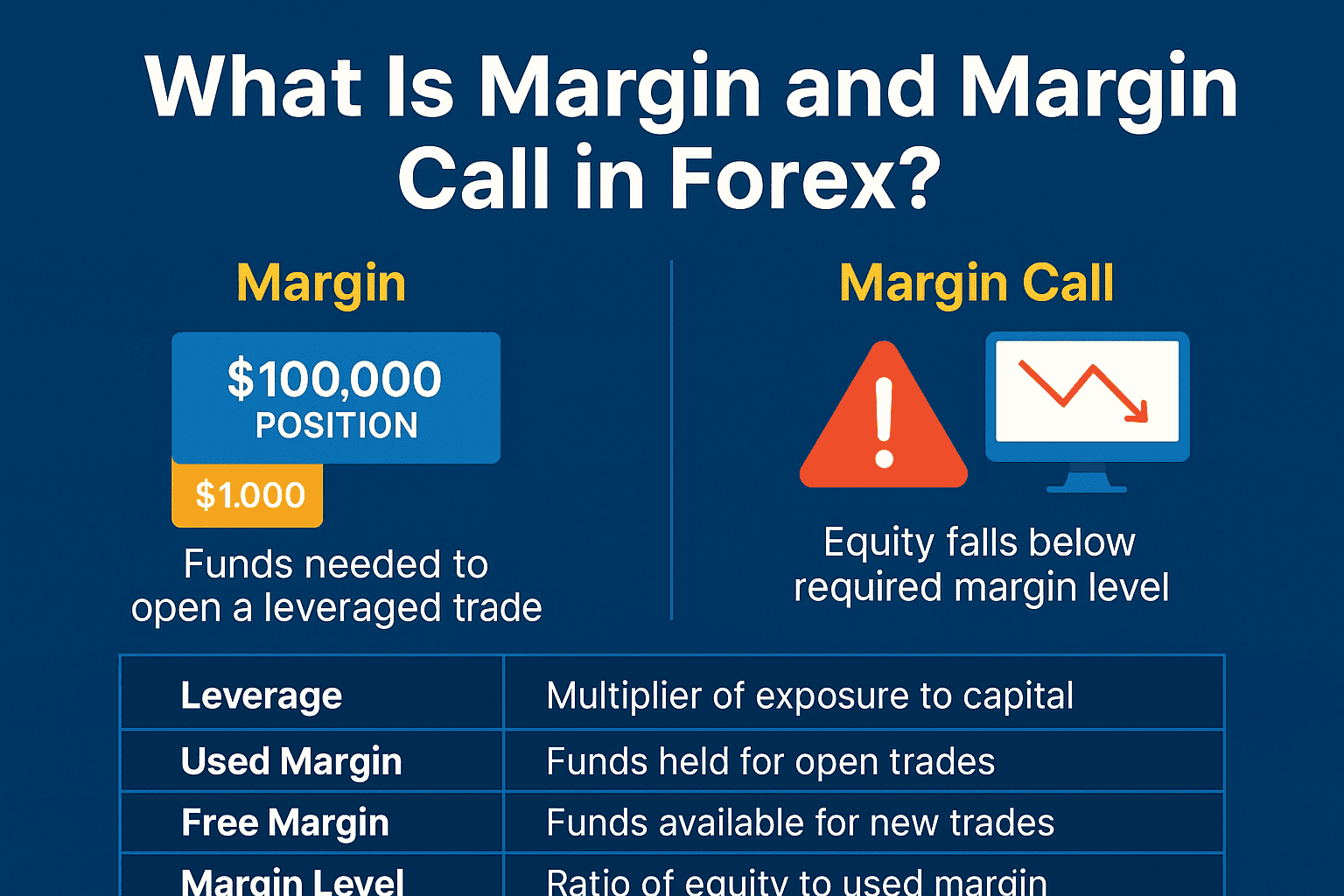
Introduction: The Hidden Power (and Danger) Behind Every Trade Margin is what allows you to control large positions with small capital. It’s the engine behind leverage — and also the trigger behind every margin call. If you don’t understand how …
Introduction: When the Market Moves Faster Than Your Trade You placed a trade at 1.1000, but it opened at 1.1004. What just happened? That’s called slippage — the difference between the expected price and the actual execution price of a …